Meet Anny
Israeli healthcare comes without a map. You deserve a guide.
myMadrich turns healthcare overwhelm into a clear, human plan, for English-speaking olim navigating Israel's health system.
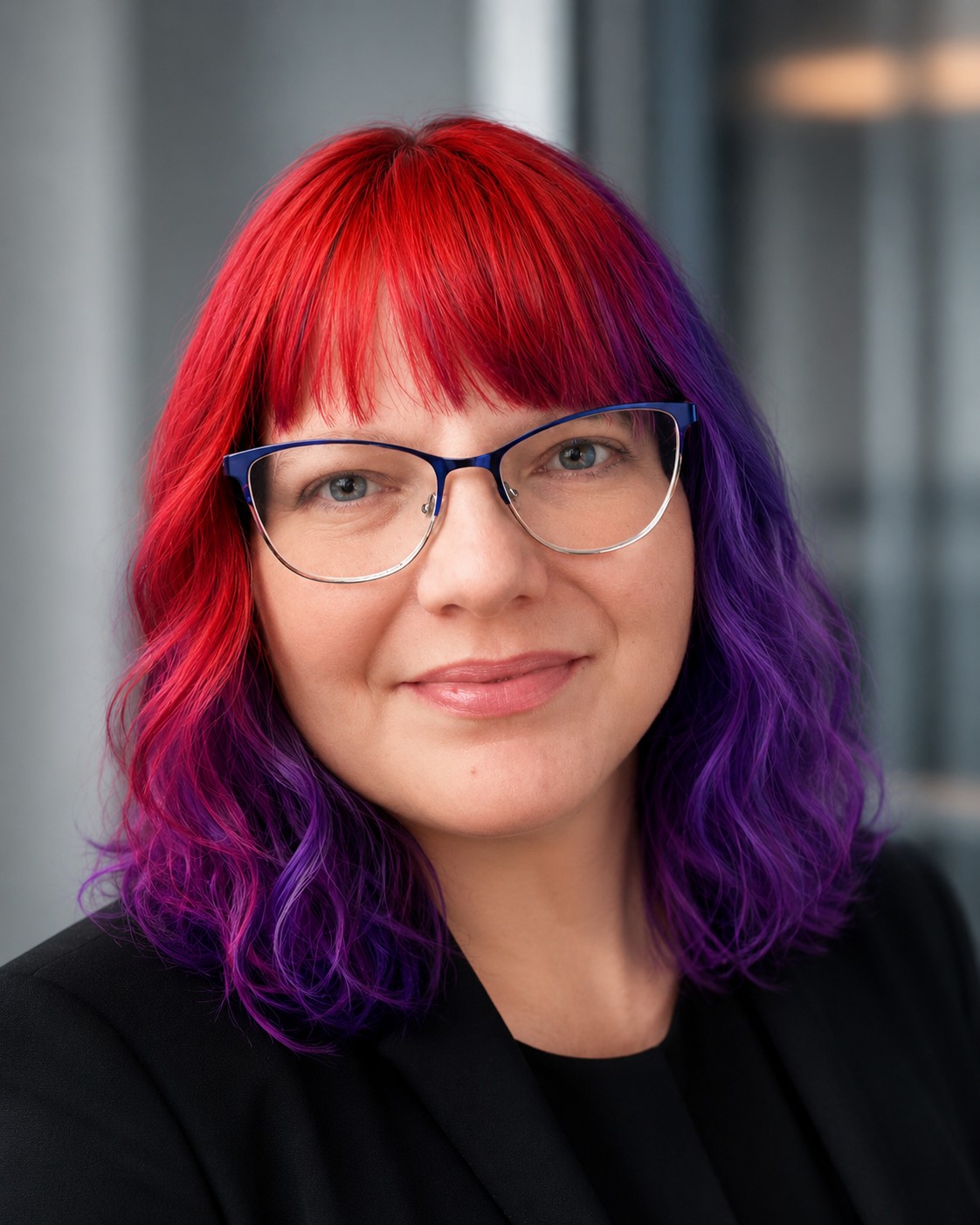
Who’s behind myMadrich
I turn overwhelm into a plan.
That’s the through-line, whether the overwhelm is a healthcare system, a donor database, or a blank page. Here’s how I got here, in the order it actually happened.
I started with a BA in Liberal Arts from The Evergreen State College, focused on Creative Writing and Cultural and Religious Studies. Call it what it was: self-led, multi-disciplinary therapy. I’m a survivor of trauma that came from many different directions. Then I did what that degree prepares you to do: everything. Technical writer. Creative writer. Nonprofit fundraiser and donor researcher. Leader of a small nonprofit, where “leadership” means you do all of it. Administrative and sales support roles that taught me how organizations really run (hint: not the way the org chart says).
The work that changed how I write wasn’t on a résumé. It was people. I’ve accompanied people in mental health crises, survivors of trauma, and people at the beginning of a complicated diagnostic journey, trying to figure out what’s going on and why things keep going the way they do. Then there’s CALMe, a crisis intervention app, where I took a guide written by a social worker and turned it into working conversation flows inside the app’s engine. That’s UX content writing at its most literal: a person in distress, one screen, one chance to be clear. Here’s what I learned: clarity is care. What do you say to someone on the worst day of their week, and how do you say it so they can use it? Nobody in distress needs your jargon.
That lesson is the foundation of myMadrich, the healthcare navigation service I founded for English-speaking olim (immigrants). The barrier isn’t just language. It’s cultural. Nobody hands you a map, the forms assume you already know the system, and every office gives a different answer. So I don’t translate. I decode. I work one-on-one with clients, write the guides and worksheets I wish had existed, and build community through events like Coffee Hours. I sell the ability to focus on healing. I’m also building an initiative of my own to bring Mental Health First Aid training to volunteers, community leaders, and English-speaking residents.
And now, code.
I’m going through the 100Devs software engineering program. I know HTML and CSS (Grid and Flexbox included), I’ve just started the JavaScript section, and I add huddle notes to the 100Devs Discord community when I can, because writing things down so other people can use them is one of the skills I never stop using. I’m putting code to work on real projects: a market research report with Chart.js visualizations, scripted social graphics, patient worksheets generated in Python. I even host my own sites from a homelab. Is that overkill for a beginner? Probably. It’s also how I learn.
Somewhere in all this I’m married with two kids, which is its own advanced course in project management.
I’m an American-Israeli, here since 2013 and based in Central Israel. I’ve trained in a style of co-mediation in the US, and I held together a Jewish student union as its Operations VP and Webmistress.
If you’re drowning in a system, or you’re building a team that needs someone who can write it, explain it, and help build it, get in touch.
What I do
I’m a guide, an organizer, and when it’s needed, an advocate. I help you:
- Understand what your kupat holim actually offers you, and what you’re entitled to ask for
- Build a step-by-step plan for one issue or a whole season of care
- Make the calls, fill out the forms, and follow up, or prepare you to do it with confidence
- Arrive at your appointment ready, with the right papers and the right questions
How I work
Four principles, short and non-negotiable:
- Your goal leads. I organize around what you need, not what’s easiest for the system.
- Clear over clever. Plain steps, plain language, no jargon without a gloss.
- Your information stays yours. Unless the issues are complex, I ask for the minimum, use it for the agreed purpose, and explain exactly how it’s handled before you share anything sensitive.
- Honest about limits. If something is outside what I can do, I’ll say so and point you onward.
What I don’t do
Let’s be straight about it, because trust starts there. I’m not a doctor, a lawyer, a social worker, or a therapist, and I don’t give medical, legal, financial, or clinical advice. I won’t tell you what treatment to choose. I’ll help you get to the person who can, and make sure you walk in prepared. I don’t offer certified translations. I do offer clarity. I can help you understand what next steps are, and how to get them accomplished.
One other major thing to note, myMadrich is not an emergency service. If you are in crisis, please contact MADA, ERAN, or KeepOlim’s Tikva Line at the contacts listed below.
Why this exists
I’ve fallen between the chairs, nofelim bein hakisaot (נופלים בין הכיסאות), or between the cracks, as English speakers say, more than once. I’ve dealt with serious health concerns of my own, my family’s, and my friends’. I fought for an MRI, and then fought again to get the appointments, during a major brain cancer scare. I navigated mental health care after major trauma, including being hit by a car as a pedestrian and the health problems that came with it. The bureaucracy on top of all that was daunting even for native Hebrew speakers, and it nearly broke me and my family.
Instead of giving up, I learned how to work the system.
Here’s what that taught me, and it’s the idea behind everything I do: the barrier isn’t just language. You can read every word of a "tofes" טופס (form) and still not know which "kupat holim" קופת חולים (health fund) office handles it, what a "hafnayah" הפניה (referral) has to say to be accepted, or why the answer on Tuesday contradicts the answer on Sunday. It’s cultural. It’s procedural. It’s the unwritten rules nobody hands you at Ben Gurion. People treat you as though you should know things that no one explains even to those who grew up here.
Since then, I’ve walked olim and native Israelis alike through the healthcare system: pushing for approvals, making phone calls, showing up in offices to get things moving. Sometimes it’s as simple as placing a request in your health fund’s app. Other times it takes back and forth with an Exceptions Committee ("Vaadat Harigim", ועדת חריגים).
Universal healthcare is a right here. Knowing how to actually use it is a skill nobody teaches. So I’m building the thing I wished existed.
Not sure where to start?
Tell me what’s stuck. Send a message, and if it looks like a fit, we’ll arrange a free first call.